
The Anatomy and Motivations of Art Forgery
- Philippe Smolarski
- Dec 17, 2024
- 6 min read

Art forgery, as old as art, mingles skillful craftsmanship with deception. The idea has tantalized the world of art for many centuries, due not only to the daring of those involved in its perpetration but also to the implications for the value and authenticity of art. This broad inquiry takes a close look into the complex world of forgery in art, taking a look at methods, motivations, and impacts in a number of artistic genres.
A Brief History
Art forgery dates back more than two thousand years. Forgers produced replicas of Greek sculptures for the ancient Romans-not to deceive but to satisfy demand for the admired Greek style. These were less forgeries than adaptations, inasmuch as they demonstrated historical respect rather than financial greed.
The Renaissance was a watershed. When art became big business, forgery became big business, too. Michelangelo himself perpetrated a forgery early in his career when he created a sculpture of a sleeping Cupid and then aged it artificially in order to sell it as an antique. That paid for his good works. By the 15th century, when collectors wanted the real thing from dead masters, spurious signatures and faked provenance became common.
The 20th century saw forgers like Han van Meegeren and Elmyr de Hory rise to infamy. Van Meegeren famously forged Johannes Vermeer paintings that fooled experts and even ended up in the hands of Nazi officials. De Hory created thousands of fakes attributed to artists like Picasso, Modigliani and Matisse, some of which are still in circulation today.
Understanding the Anatomy of Art Forgery
Essentially, art forgery involves the creation or sale of works of art whose authorship is falsely represented as that of a famous artist. It can be manifested in the following ways:
Creation of a Direct Copy: A talented forger creates a reproduction of a well-known painting or sculpture and tries to sell it as the original.
Creating an 'Unseen' Piece: At other times, forgers produce completely new works in the style of a renowned artist and sell them as works that were previously unknown.
Provenance Forgery: This includes the falsification of documentation, certificates of authenticity, or historical records to confirm the history of a fake piece.
The process often requires meticulous study of the artist's techniques, materials, brushwork, and even pigments used. Forgers must replicate not just the visual appearance but also the aging process of older works to make their creations appear authentic.
Motivations Behind Forgery
The motivations for art forgery are multifaceted:
Financial Gain: Not surprisingly, this is one of the key motivating factors. The prices which works of famous artists go for make forgery an incredibly luring business. Wolfgang Beltracchi, for example, pocketed millions in forging works of modern masters such as Max Ernst and Fernand Léger until his arrest in 2011.
Revenge or Critique: Some forgers use their craft to critique the art market or exact revenge on institutions that rejected them. For example, Mark Landis donated forged artworks to museums without seeking profit, highlighting flaws in authentication processes.
Recognition: Many forgers are skilled artists who failed to gain recognition for their original works. By imitating famous styles, they achieve indirect acknowledgment of their talent.
Psychological Thrills: For some, the challenge of deceiving experts and institutions may prove to be an intoxicating motivator.
Historical or Political Motives: Art forgeries arise also in contexts involving cultural heritage, historical propaganda, or political agendas. During World War II, stolen artworks were often replaced by forgeries, either to protect the originals or for financial exploitation.
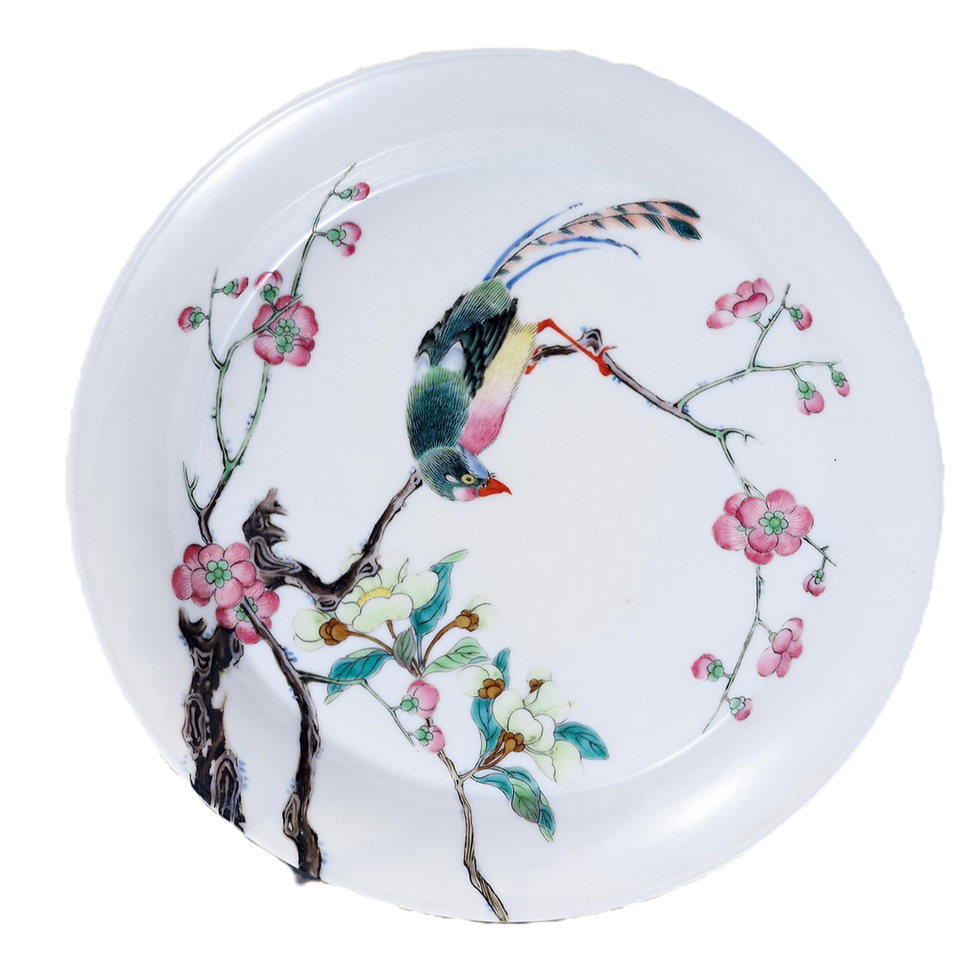
The Concept of Reproduction and Legacy: Not all forgeries try to deceive buyers. At times, copies are made just to keep the artistic tradition alive or to emulate various styles of great masters. In China, reproducing porcelains with apocryphal seals of past dynasties happened out of admiration for a historical craftsmanship rather than out of pure deception.
Techniques and Methods
Art forgery requires a combination of artistic skill, historical knowledge, and scientific understanding. Forgers use several techniques:
Reproduction: Making a copy of an already existing work with minute attention to detail, including the exact brushwork and materials a particular artist would have used.
Attribution Forgery: Creating new works in the style of a famous artist while fabricating provenance to suggest authenticity.
Aging: The use of chemicals or physical methods to simulate the effects of aging, such as cracked paint or yellowed paper.
Reverse Engineering Authentication: Sophisticated forgers study modern authentication methods, such as pigment analysis or carbon dating, in order to mask telltale signs of forgery.
Beyond the Canvas: A Comprehensive Exploration of Artistic Forgery
Art forgery is not confined to painting alone. The landscape of artistic fraud spans multiple disciplines:
Sculptural Subterfuge
The Getty Kouros: A Marble Enigma
One of the most renowned cases of sculptural forgery is the so-called Getty Kouros, which the J. Paul Getty Museum purchased in 1985. This marble statue, supposedly of a young Greek male from the 6th century BCE, was bought for $10 million. To this day, the statue's authenticity is hotly disputed by scholars, who find the authentication of ancient sculptures to be a very tricky business.
Roman and Renaissance Sculpture Reproduction
Workshops in Rome perfected the "art" of artificial aging of marble and bronze pieces, elaborate provenance narratives, and selling them to wealthy European collectors. This blurred any distinction between reproduction, restoration, and forgery.
Musical Manuscript Forgeries
Beethoven's Controversial Manuscripts
Musical forgery presents unique challenges in authentication. Forgers have created entire "lost" musical manuscripts, including some purportedly by Beethoven. These forgeries require mimicking handwriting styles, period-specific paper, musical notation conventions, and ink compositions.
Decorative Arts and Antiquities
Chinese Porcelain Forgeries
The world of ceramic forgery is particularly sophisticated, especially in reproducing Ming and Qing dynasty porcelain. Forgers develop complex aging techniques, create artificial patinas, and mimic historical production methods. Notable techniques include using period-appropriate clay compositions, recreating specific glazing techniques, and artificially creating crazing and wear patterns.
Photographic Forgeries
Early Photographic Manipulations
The photographic forgery has a rich historical tradition: manipulation of images before the era of digital technologies, creation of fictional historical narratives, and staging of elaborated photographic hoaxes. Famous examples include the Cottingley Fairies (1917), Soviet-era manipulations removing politically inconvenient figures from official photographs, and spirit photography popular during the 19th-century spiritualist movement.
Manuscript and Literary Forgeries
Shakespeare Forgeries
Literary forgeries have a long history of attracting scholars. William Henry Ireland forged complete "Shakespeare" manuscripts, replete with convincing documents that deceived the greatest literary minds of his age.
The Hitler Diaries
In 1983, the German magazine Stern ran a serial publishing what it claimed to be the personal diaries of Adolf Hitler, which had been bought for 2.3 million Deutsche Marks. The forger Konrad Kujau had used period-appropriate materials and mimicked Hitler's handwriting. This forgery exposed the media vulnerability, institutional gaps in authentication, and human yearning for hidden narratives.
Detection Challenges
The detection of forgeries is often a "cat-and-mouse game" between forgers and experts. Art professionals use a mixture of techniques, including research in provenance, infrared imaging, carbon dating, and pigment analysis. However, as counterfeiters become more sophisticated, even these techniques can be foiled.
One famous scheme involved the Knoedler Gallery selling fake Abstract Expressionist pieces for $80 million in an operation so slick that collectors and experts were duped until it was uncovered in 2011.
Consequences of Forgery
The effects of art forgery are wide-ranging:
Economic Impact: Forgeries can destabilize markets for specific artists or periods. For example, Robert Driessen's fake Alberto Giacometti sculptures caused lasting damage to the Giacometti market.
Cultural Loss: When originals are replaced by fakes, as in museum scandals, the cultural heritage suffers irreparable harm.
Legal Ramifications: While some forgers face prison sentences, as in the case of Beltracchi, others, like Mark Landis, escape prosecution due to legal loopholes when no financial transaction occurs.
Ethical Implications
Art forgery raises ethical questions of authenticity and value in art. Some have argued that high-quality forgeries challenge the notion that an artwork's worth is tied solely to its creator's identity rather than its aesthetic or emotional resonance.
For example, the forgeries of Elmyr de Hory have become collectibles in their own right; his work muddles the distinction between fraud and creativity. Likewise, John Myatt, after serving his sentence for forgery, now creates "genuine fakes" openly and sells them legally as reproductions.
Conclusion: The Ontology of Authenticity
Artistic forgery is less about deception and more about interrogating our fundamental understanding of artistic creation. It challenges us to ask what really makes a work of art "original." The forger doesn't just copy; he rewrites even the language of creation itself. Forgeries, in painting, sculpture, manuscripts, and artifacts, question the borders of creativity, value, and cultural meaning. Each forged piece is a deep philosophical inquiry into the nature of truth, authenticity, and collective memory.
Walter Benjamin insightfully articulated in his foundational essay “The Work of Art in the Age of Mechanical Reproduction,” “The most perfect reproduction of a work of art is lacking in one element: its presence in time and space, its unique existence at the place where it happens to be.” This insight strikes at the heart of the practice of forgery, as it calls into question our ideas about artistic originality and the aura of an Artwork.
Art forgery is a complexly woven web of artistry and deception that continues to intrigue the world of art. While it points out the weaknesses in processes of authentication and market dynamics, it also forces questions about our perception of value and originality in art. As technology evolves, the forgers and the experts will no doubt further their methods in this continuing fight about authenticity.


Comments